


Conditions
Treatments for Malaria Prevention
Browse effective malaria prevention options in our online store, or contact us for expert advice.
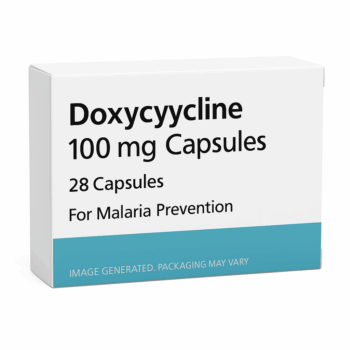
Doxycycline 100mg Capsules
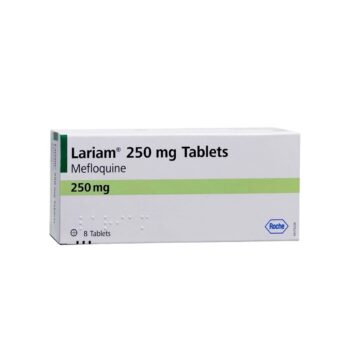
Lariam 250mg Tablets
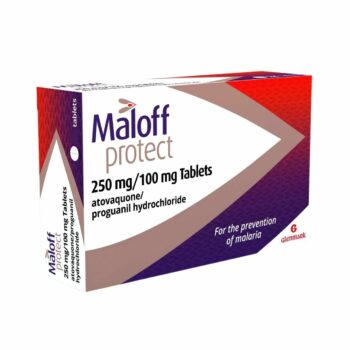
Maloff Protect 250 mg / 100 mg Tablets
About This Condition
Malaria Prevention
Browse effective malaria prevention options in our online store, or contact us for expert advice.
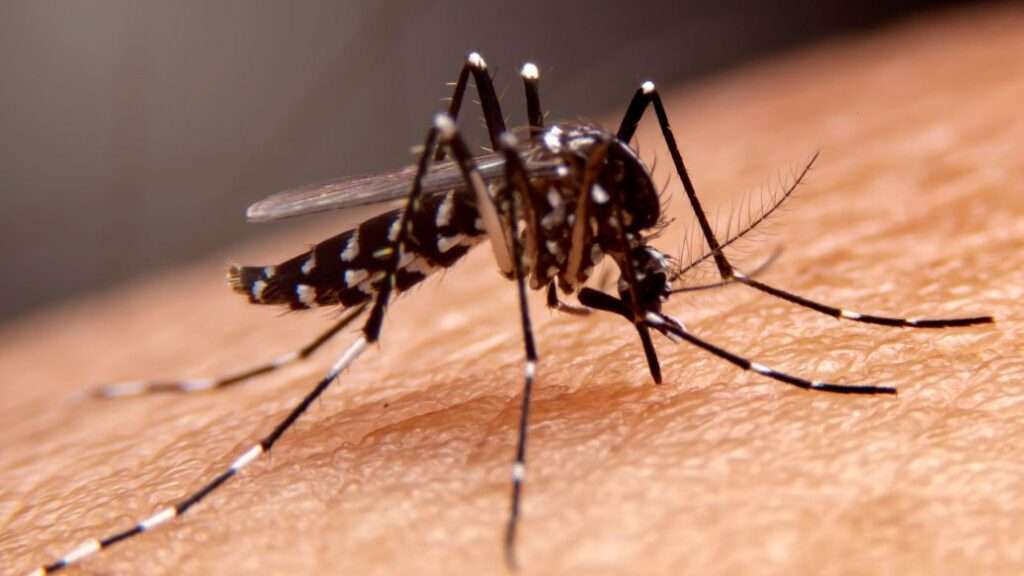
Malaria is a serious disease spread by mosquito bites in certain parts of the world. Taking malaria tablets before, during, and after travel reduces the risk of infection. Without prevention, malaria can cause severe symptoms and complications.
Travellers visiting high-risk areas may need anti-malaria tablets to stay protected. A healthcare professional can recommend the most suitable option based on destination, travel duration, and medical history.
Malarone is a widely used malarone antimalarial that combines Atovaquone and Proguanil. It is taken once daily, starting a few days before travel, continuing throughout the trip, and for a short period after returning.
Doxycycline is another option for malaria prophylaxis. It prevents infection by stopping parasite growth in the blood. This tablet is often recommended for long-term travellers due to its cost-effectiveness and availability.
Some people may experience mild malaria pills side effects, including nausea, headaches, and stomach discomfort. Most side effects go away on their own, but if they persist, a different medication may be needed.
Ordering malaria prevention treatment online is simple and convenient. We offer a fast and discreet service, with prescriptions reviewed by licensed prescribers and quick UK delivery to ensure you are prepared for your trip.

Order within 0h 0m 0s for next day delivery on all items
Free Standard shipping

Order Medicines
Search our online shop to find the medicines you require.

Prescriber Reviews
Our UK Pharmacist will review your order and dispense your medicine.

Receive Your Order
Your order will be dispatched to your chosen address.



FAQ’s
Got a Question?
Browse our FAQs below for quick answers about our online doctor services, prescriptions, and delivery. Need more help? Get in touch via live chat or email.
What is the best malaria prophylaxis?
The best anti-malaria tablets depend on your travel destination and medical history. Malarone, Doxycycline, and Malarone Paediatric are widely prescribed options, with a prescriber determining the most suitable choice.
How to treat malaria if infected?
If malaria is suspected, urgent medical treatment is essential. Prescription malarone antimalarial medication or other antimalarial treatments may be required. Seeking immediate medical advice helps prevent complications.
What are the side effects of malaria pills?
Malaria pills side effects can include nausea, dizziness, and digestive issues. Most side effects are mild and temporary. A prescriber will assess suitability before prescribing to ensure safe and effective treatment.
Can I buy malaria tablets online?
Yes, you can buy malaria tablets online at Mentor Pharmacy. A short consultation may be required to ensure you receive the most suitable anti-malaria tablets for your destination, providing effective protection against infection.
How quickly will I receive my malaria tablets?
With our fast UK delivery, approved orders are dispatched quickly, ensuring you have your malaria tablets before you travel. Next-day options may be available.